
Coding for kids Adelaide
Learn coding by creating games, robots and projects
Children aged 6–14 can explore coding through practical STEM activities, progressing from visual block-based coding towards more complex concepts and text-based programming.
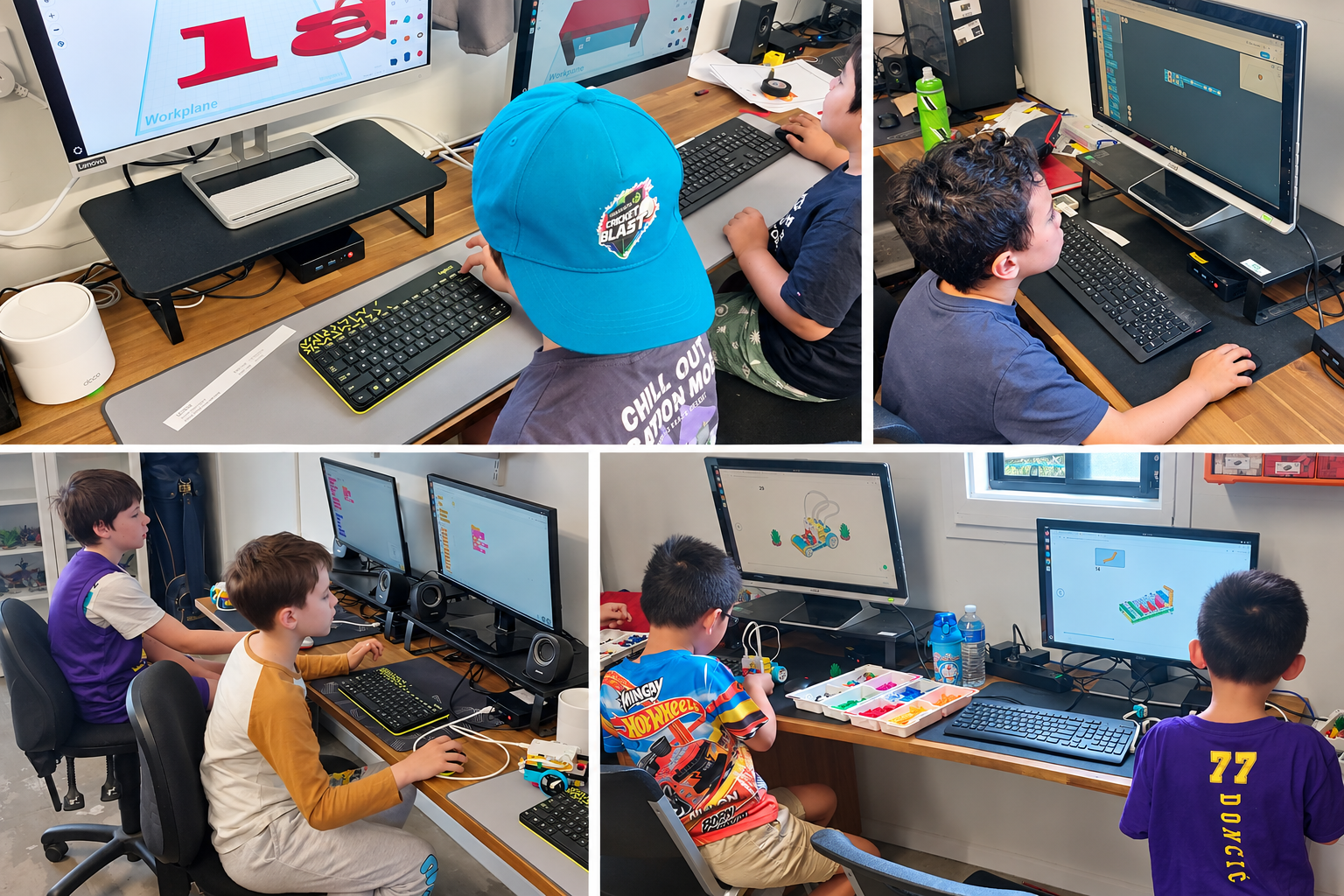
Coding classes that start with creating
Coding at Bits and Bots Learning is taught as part of hands-on STEM projects at our Panorama studio in Adelaide.
Rather than learning programming concepts only in isolation, children use code to make something happen. They might create a game in Scratch, program an Edison robot, develop a Micro-bit project or use code as part of a larger technology challenge.
Younger children can start with visual environments that make coding accessible without needing previous programming experience. As their reading, confidence and understanding develop, they can encounter more descriptive block-based coding and increasingly complex programming concepts.
For students ready to progress further, the pathway can eventually extend into text-based languages including Python and JavaScript.
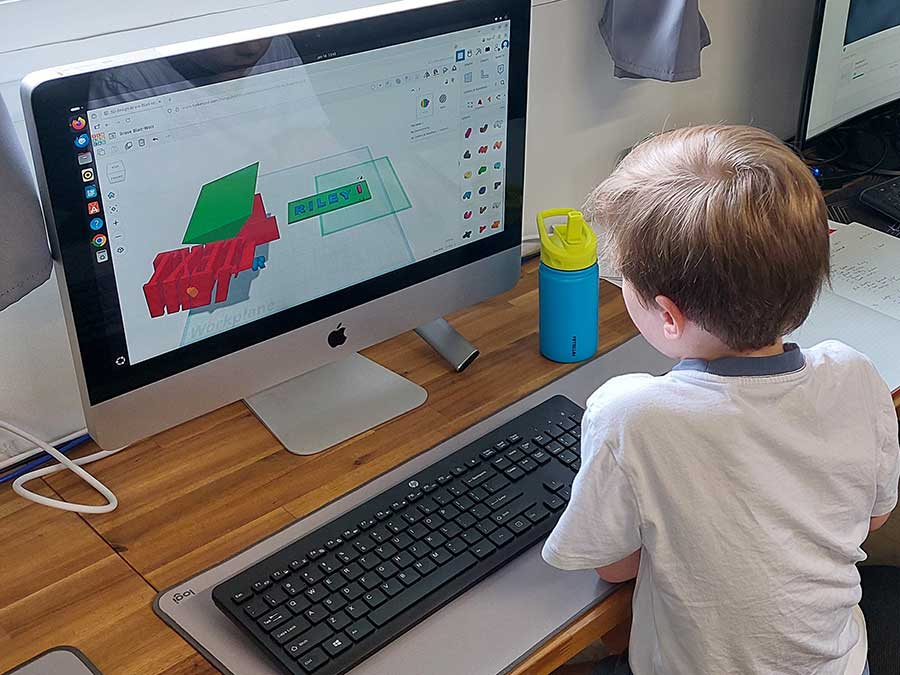
How children experience coding at Bits and Bots
Coding appears across both Junior Bots and Pixel Pioneers and is applied in different ways depending on a child's age, experience and the project.

Coding games
Game development gives children a practical reason to write, test and change code.
Junior Bots projects have included Scratch quiz games, fruit catcher games, soccer goalie games and basic clicker games.
Older Pixel Pioneers students can work on larger projects such as tower defence games and top-down dungeon crawlers. These games can extend across multiple lessons and require more code, planning and problem solving.

Programming robots
Coding is also used to control Edison and LEGO robots.
Children can begin with simple commands and graphical coding before progressing towards more complex programs. As robotics projects develop, code can control combinations of movement, motors and sensors.

Coding with Micro controllers
Micro controller projects provide another way to apply programming skills. Activities have included creating electronic compasses and rock, paper, scissors programs.
Working across games, robots and other devices gives children repeated opportunities to use coding concepts in different contexts.
Coding develops from ages 6–14
Children do not move through one rigid coding sequence. Progression depends on their reading ability, confidence, experience and the activities they are working on.
Start with visual coding
Younger students typically begin with graphical block-based environments such as edBlock for Edison robots, Scratch Jr and Icon Blocks for LEGO Spike Essential.
These provide an accessible way to start controlling actions and understanding how instructions affect what happens.
Introduce more complex coding concepts
With experience, students can encounter constructs including functions, variables, loops and block extensions.
Programs become larger and may extend across multiple pages. Breaking a problem into smaller parts becomes increasingly important as the complexity of the code increases.
Move into descriptive block coding
As children become more confident readers, they can progress to environments such as edScratch, Scratch and Word Blocks for LEGO Spike Essential.
Code becomes more descriptive and children can begin working with a wider range of programming ideas.
Progress towards text-based programming
The later stage of the progression can introduce text-based languages including Python and JavaScript.
The aim is not to rush children towards a particular language, but to develop foundations they can build on as their coding ability and understanding grow.
Coding projects build more than programming skills
Creating something with code requires children to think about what they want a program to do, work out how to make it happen and respond when the result is not what they expected.
Game development can also involve creative decisions around characters, visual assets, mechanics and features. Robotics requires children to connect their code to the behaviour of a physical device.
As projects become more complex, students increasingly need to break problems into smaller parts, test their ideas and make changes.
Children can also have opportunities to adapt a core project. In Pixel Pioneers, for example, students sometimes suggest a feature they want to add to a game. I can then work with them to investigate how the code could be written to make that idea possible.
Coding within Junior Bots and Pixel Pioneers
Coding for kids at Bits and Bots is a learning area within our broader STEM programs rather than a separate weekly coding-only class.
Junior Bots | Ages 6–9
Junior Bots provides a more guided introduction to coding alongside robotics, 3D design, electronics and other STEM activities.
Coding can involve Scratch, Scratch Jr, Edison robots, Micro and LEGO Spike Essential, depending on the term and project.
Pixel Pioneers | Ages 9–13
Pixel Pioneers introduces more complex coding and greater independence within broader STEM projects.
Students can work with larger game projects, increasingly sophisticated programming concepts and coding applied to more advanced robotics and technology challenges.
Coding for beginners and experienced young programmers
Children do not need previous coding experience to join Bits and Bots.
Some students arrive as complete beginners. Others have used Scratch at school or at home, while some already have a strong interest in Digital Technologies and want to explore coding in greater depth.
Projects can provide an accessible core task for newer students while giving more experienced children opportunities to extend their work, experiment or add their own ideas.
A free Come and Try class can help us determine whether Junior Bots or Pixel Pioneers provides the most appropriate starting point for your child.
Coding taught by an experienced Digital Technologies educator
I’m David Hemer, Founder and Owner of Bits and Bots Learning and a registered Highly Accomplished Teacher. I currently teach Mathematics, Digital Technologies and Technologies in South Australian secondary education.
My academic background includes Mathematics, Computer Science, Software Engineering and Education, including a PhD in Computer Science and Software Engineering. I bring more than 35 years of specialised experience across computing, Digital Technologies, STEM and education.
Frequently asked questions parents ask about coding for kids
Who can learn coding at Bits and Bots Learning?
Coding activities at Bits and Bots are designed for children aged 6–14 across Junior Bots and Pixel Pioneers. Children can begin with no previous coding experience, while those who already code can encounter more complex projects and opportunities to extend their skills.
How do children learn coding at Bits and Bots?
Children learn coding by applying it to practical projects at our Panorama studio in Adelaide. Activities can include developing games, programming robots and creating Micro projects, with guidance and coding complexity changing as children's skills and experience develop.
What coding languages and platforms do children use?
Children can work with environments including Scratch Jr, Scratch, edBlock, edScratch and LEGO Spike coding. As their skills progress, they can encounter concepts such as variables, loops and functions, with later progression towards text-based languages including Python and JavaScript.
Does my child need coding experience before joining?
No. Children can start with little or no previous coding experience. Visual block-based environments provide an accessible starting point, while projects also allow children with existing experience to work with greater complexity.
Is coding taught as a separate Bits and Bots class?
Coding is taught within the Junior Bots and Pixel Pioneers STEM programs rather than as a separate coding-only term class. This allows children to apply coding across games, robotics and other technology projects.
Do children only use Scratch?
No. Scratch and Scratch Jr are among the environments children can use, but coding also occurs through Edison robotics, LEGO Spike and Micro activities. As students progress, they can encounter more complex block coding and eventually text-based programming.
Can children progress to Python and JavaScript?
Yes. Python and JavaScript sit at the later end of the coding progression described by Bits and Bots. Children first develop foundations through visual and descriptive block-based coding before moving towards text-based programming as their skills develop.
How do I know which program is right for my child?
Junior Bots is designed for ages 6–9 and Pixel Pioneers for ages 9–14. For children around the overlapping ages, previous experience, confidence and independence can also help determine the best fit. A free Come and Try class can help identify an appropriate starting point.
Explore coding through hands-on STEM
Give your child opportunities to develop coding skills by creating games, programming robots and working on other technology projects at our Panorama studio.
Explore Junior Bots or Pixel Pioneers or start with a free Come and Try class.